Skip to content

Optimizing Soldering Processes to Increase Manufacturing Throughput at Baylis Medical Technologies Inc.

Canva Design DAHDMNhoBGE

Industry

Manufacturing

Production Bottlenecks and Workmanship Risks

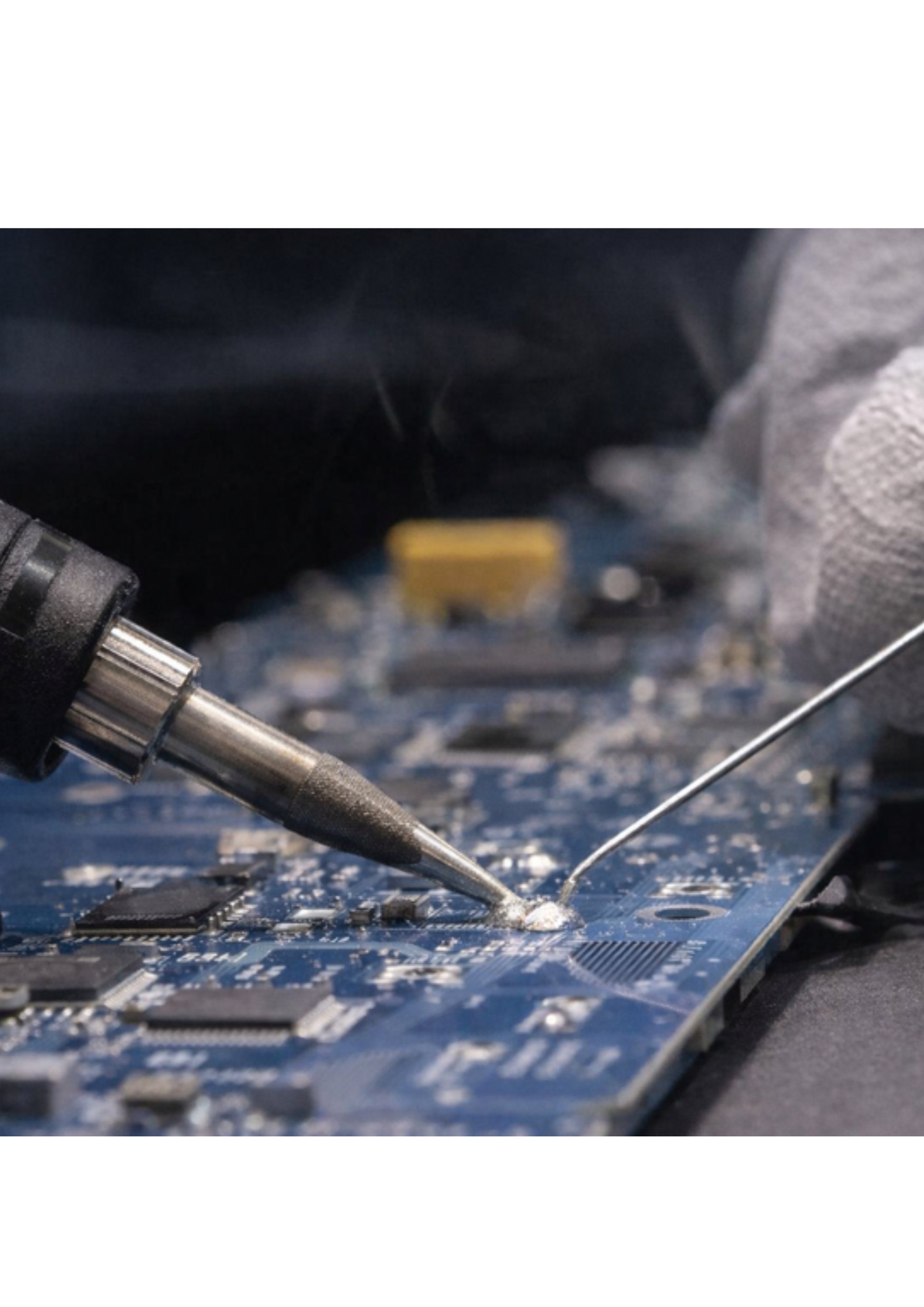
Baylis Medical Technologies Inc. (Baylis) sought to improve efficiency and quality in its cable assembly and soldering process. Manual top-side soldering limited visibility, slowed production, and increased the risk of insulation damage.To increase throughput and maintain compliance with IPC-A-610 Acceptability of Electronic Assemblies, Baylis evaluated opportunities to improve tooling, soldering methods, and operator training.

Results

EPTAC identified several opportunities to improve manufacturing efficiency, product quality, and operator consistency. Recommended changes to fixture design and soldering methodology—particularly enabling bottom-side soldering—have the potential to reduce cycle time, improve joint visibility, and minimize insulation damage during assembly. Additional design-for-manufacturing improvements and operator training aligned with IPC-A-610 Acceptability of Electronic Assemblies are expected to enhance process consistency, reduce defect rates, and improve overall yields. Collectively, these initiatives could increase production yields by an estimated 30–40%, while supporting higher throughput and more repeatable assembly performance.

25%
Cycle Time Reduction / Faster Soldering
30%+
Yield Improvement
Canva Design DAHDMPc4Eqo

About Baylis Medical Technologies Inc.

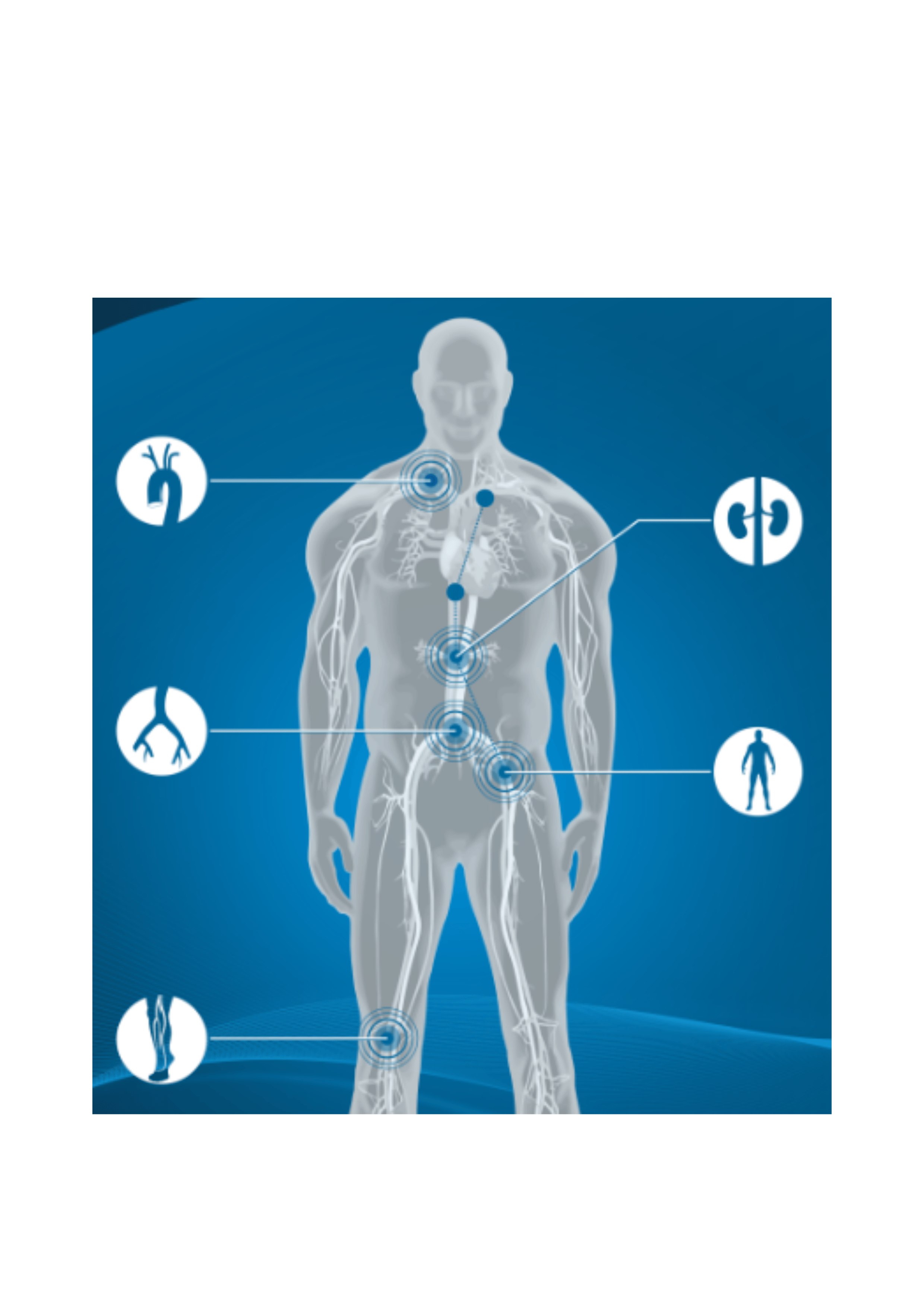
Baylis is a medical technology company specializing in the development and manufacturing of advanced devices used in interventional cardiology and electrophysiology procedures. The company focuses on delivering innovative solutions that improve the safety, precision, and effectiveness of minimally invasive medical treatments. Baylis products are used globally by physicians and healthcare systems to support complex cardiovascular procedures.

The Challenge

Baylis faced inefficiencies and quality issues in their soldering and cable assembly processes:

  • Soldering from the top damaged wire insulation, causing defects (IPC-A-610 nonconformance)
  • Existing fixtures limited visibility, throughput, and operator comfort
  • Operators lacked standardized soldering training, leading to inconsistent joint quality
  • Overall, production capacity, cycle time, and yield were below optimal levels


The Solution

A combination of process, tooling, and training improvements was recommended:

  1. Tooling & Fixtures
    • Modify fixtures to enable bottom-side soldering, reducing insulation damage
    • Adapt fixtures to hold multiple assemblies and improve ergonomics
  2. Process & DFM
    • Redesign pad/land areas for stronger retention and consistent solder wetting
    • Use smaller-diameter cored solder or bent conical tips for better joint visibility
    • Implement semi-automatic or automated soldering where possible
  3. Training & Quality Programs
    • Launch soldering training aligned with IPC-A-610 standards
    • Educate operators on wire preparation, assembly routing, shielding, and contamination prevention


The Results

  • Yield Improvement: +30–40% through consistent solder joints
  • Cycle Time Reduction: ~25% faster soldering process
  • Defect Reduction: Fewer insulation damages, cold joints, solder bridging, and wicking
  • Operator Efficiency: Increased proficiency and reduced fatigue through ergonomic fixtures and training
  • Cost Savings / ROI: Reduced labor, material waste, and inventory dwell time

Ready to get started?