
Improving Solder Joint Consistency: Process Evaluation at Skydio
Industry
Manufacturing
Process Variability Across Operators
Soldering process variability was creating inconsistent results and increasing risk to long-term reliability.
Results
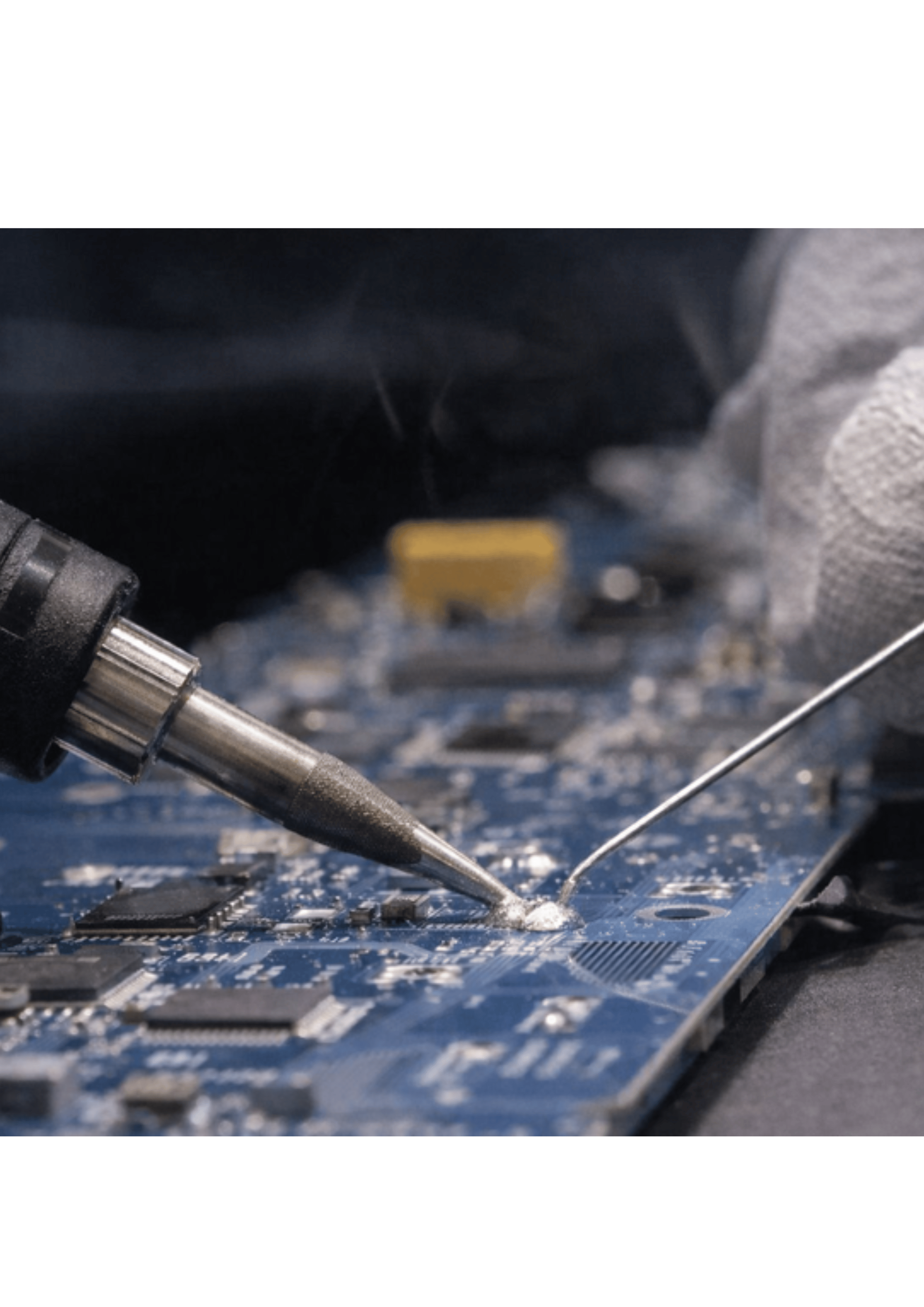
The soldering process was functional, but variability in joint appearance and solder volume was observed across operators, mainly due to differences in technique and process execution. EPTAC outlined actions to standardize techniques, improve preparation, provide refresher training, and enhance equipment care to ensure long-term repeatability and workmanship control.
About Skydio
Skydio, is an American manufacturer of drones headquartered in San Mateo, California. The company manufactures drones for use in battlefield situation awareness, policing, and inspection. Their drones can complete fully autonomous missions with the use of a dock to automatically recharge.
The Challenge
Skydio’s primary challenge was inconsistent solder joint quality and repeatability, driven by operator-to-operator variation in soldering technique and process execution.
This resulted in noticeable differences in solder volume, joint appearance, and overall consistency, creating a risk to long-term process stability and IPC alignment.
The Solution
EPTAC conducted an onsite soldering process evaluation to observe current soldering practices, review solder joint quality, and assess alignment with applicable IPC standards. Based on findings, EPTAC recommended process improvements focused on:
- Standardizing soldering techniques and solder wire preparation
- Reinforcing training on soldering fundamentals and inspection practices
- Improving soldering iron tip maintenance and equipment handling consistency
- Exploring automation or solder feed control options to improve long-term process stability
The Results
The evaluation identified the primary drivers of solder joint variability and provided Skydio with clear, actionable recommendations to improve consistency and repeatability. Skydio received a documented roadmap to strengthen workmanship quality, reduce operator-to-operator variation, and improve overall process control and alignment with IPC standards.